

Food & Drinks Advice
Just like us humans, our pets love a snack or two, maybe even a tasty drink, however, it is important we stay vigilant in what they can and can’t consume.
This page contains advice and guidance on snacks and drinks that your pets can’t consume, signs to look out for if you suspect your pet has consumed something poisonous or toxic, and what to do.
Happy Easter
Easter eggs and hot cross buns are delicious Easter indulgences for us humans, but they can be deadly to dogs. Read our advice on how to have a happy Easter without a visit to us over the holiday weekend.

The most important items to keep well away from your much-loved dogs are:
Chocolate Easter Eggs
Hot Cross Buns
Chocolate Easter Eggs
Contain a chemical called theobromine, which is toxic to dogs. Even small amounts of chocolate can cause vomiting, diarrhea, seizures, heart problems, hyperactivity, and in severe cases, death.
The darker the chocolate, the more potent the level of theobromine, and the more poisonous it is, but giving any type of chocolate to dogs must be avoided. Even white chocolate, although it doesn’t contain enough theobromine, is fatty and can pose a potential risk of upset tummies and even pancreatitis.
Hot Cross Buns
Contain dried fruit, such as currants, sultanas, and raisins, are all toxic to dogs. Even if your dog eats a small quantity of these dried fruits (and grapes), they can suffer severe kidney failure.
Top Tip:
Some shops sell dog-friendly Easter Eggs and Easter dog treats, but make sure that you feed these in moderation as part of a balanced diet.
We’d like to wish all our clients and pets a happy and safe Easter holiday!
Plants and Spring Bulbs

Daffodils and other narcissus, are poisonous to dogs if they eat the bulbs or flowers, or even drink water from a vase with daffodils in. They can give your dog an upset stomach, make them vomit, and make them very sleepy and wobbly. They may also have fits.
Amaryllis can cause vomiting, diarrhea, stomach pains, and tremors.
Hyacinths (both the flowers and bulbs) can cause vomiting, diarrhea, and tremors in dogs.
Tulips can irritate your dog’s mouth and gastrointestinal tract. Normally they will only experience drooling, being sick and diarrhea, but the heart problems and difficulty breathing are also signs of tulip poisoning.
Poinsettias, mistletoe, and ivy can be poisonous.
Its best to keep all house plants out of reach, and to watch to make sure your dog is not eating anything nasty out on walks. Common poisonous plants that you might see in spring include: azalea, bluebells, foxgloves, crocus and rhododendrons.
Drinks

This list below applies for both dogs and cats.
Alcohol can cause serious poisoning, leading to vomiting, breathing problems, or even death.
Caffeinated drinks such as tea, coffee, energy drinks can overstimulate the nervous system and heart, causing restlessness, rapid heart rate, and seizures.
Chocolate drinks (both hot and cold) contain theobromine and caffeine, both toxic to pets.
Milk and dairy heavy drinks - many pets are lactose intolerant, which can lead to stomach upset, diarrhea, and overall discomfort.
Sugary drinks (fruit juices, fizzy drinks, syrups) have an extremely high sugar concentration, which can cause digestive issues and contribute to long-term health problems.
Artificially sweetened drinks - especially those containing xylitol, which is extremely toxic and can cause a dangerous drop in blood sugar and and liver failure.
Common problems mistaken for urgency
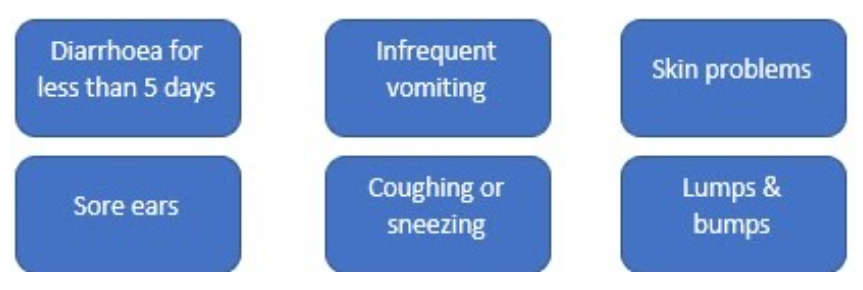
If your pet is suffering from any of the above problems, it’s probably not an emergency.
Please call the surgery when we are open to make an appointment during our normal opening hours.
If you have any doubt, please call us for advice.
What should I do if I think my dog has been poisoned?
CALL US straight away for advice if you think your dog has been poisoned by something.
DON’T WAIT FOR SYMPTOMS TO APPEAR!
01983 653769
If we’re closed, press option 1 to go through to the duty vet.
Common signs of poisoning in dogs include:
Vomiting
Diarrhea
Hyperactivity or restlessness
Tremors
Seizures or fits
It is extremely helpful if you keep any packaging and write down the details of anything you think your dog has ingested, when they ate or drank it, how much they have swallowed, and what symptoms they are experiencing.
Please KEEP the packaging if you still have it.